Minimalism Residential Group in the Novaya Borovaya Art Quarter
- Anastasia Matskevich
- 25 июл. 2024 г.
- 3 мин. чтения

Location: ART-Quarter, Novaya Borovaya, Minsk, linked by a pedestrian boulevard and a network of themed public spaces.
Scope: Two Minimalism-style buildings, House 1.7 and House 1.8
Role: Lead Architect (Pre-design stage + Part of Project Stage A & C + Contractor coordination)
Scope
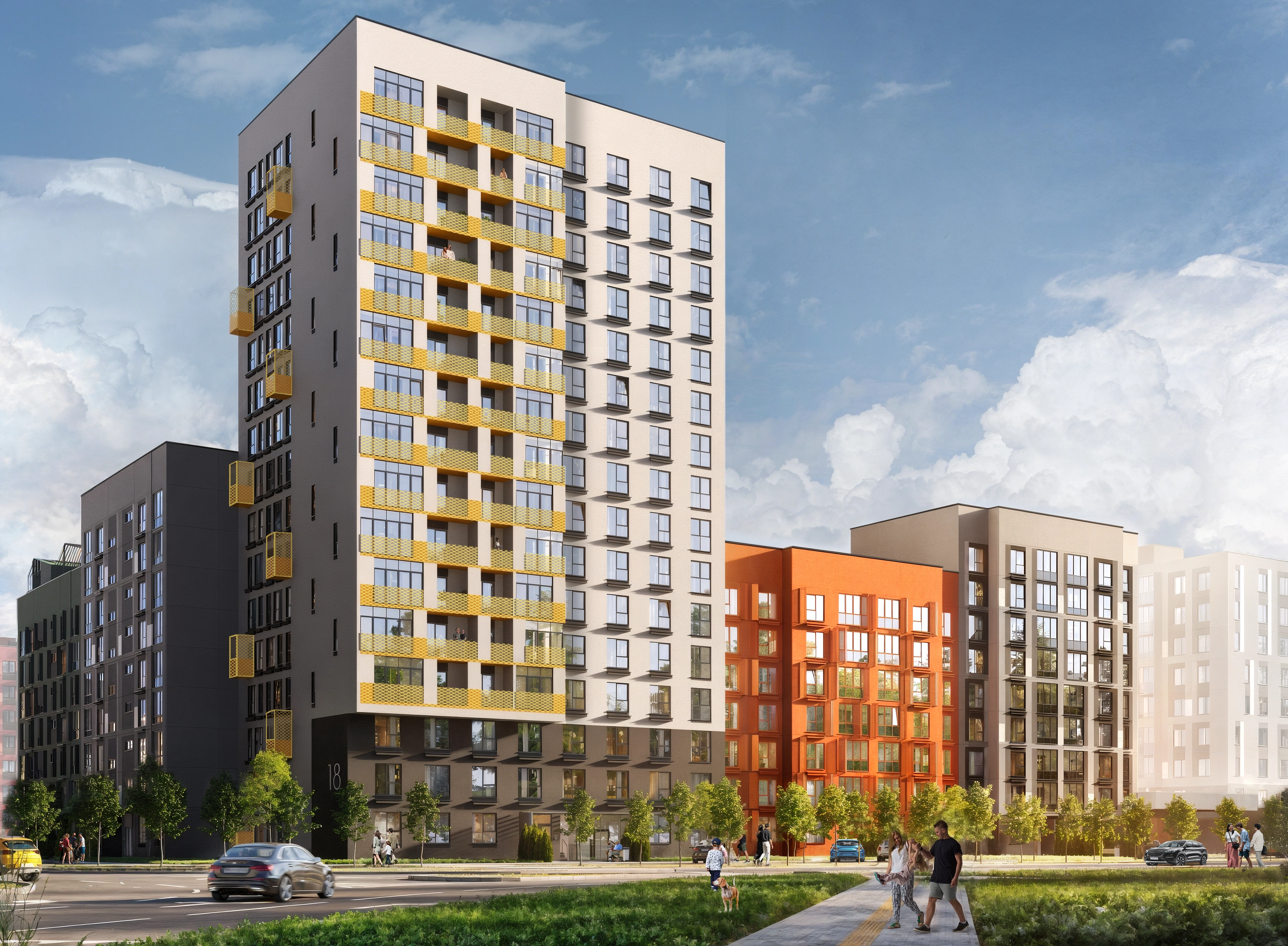
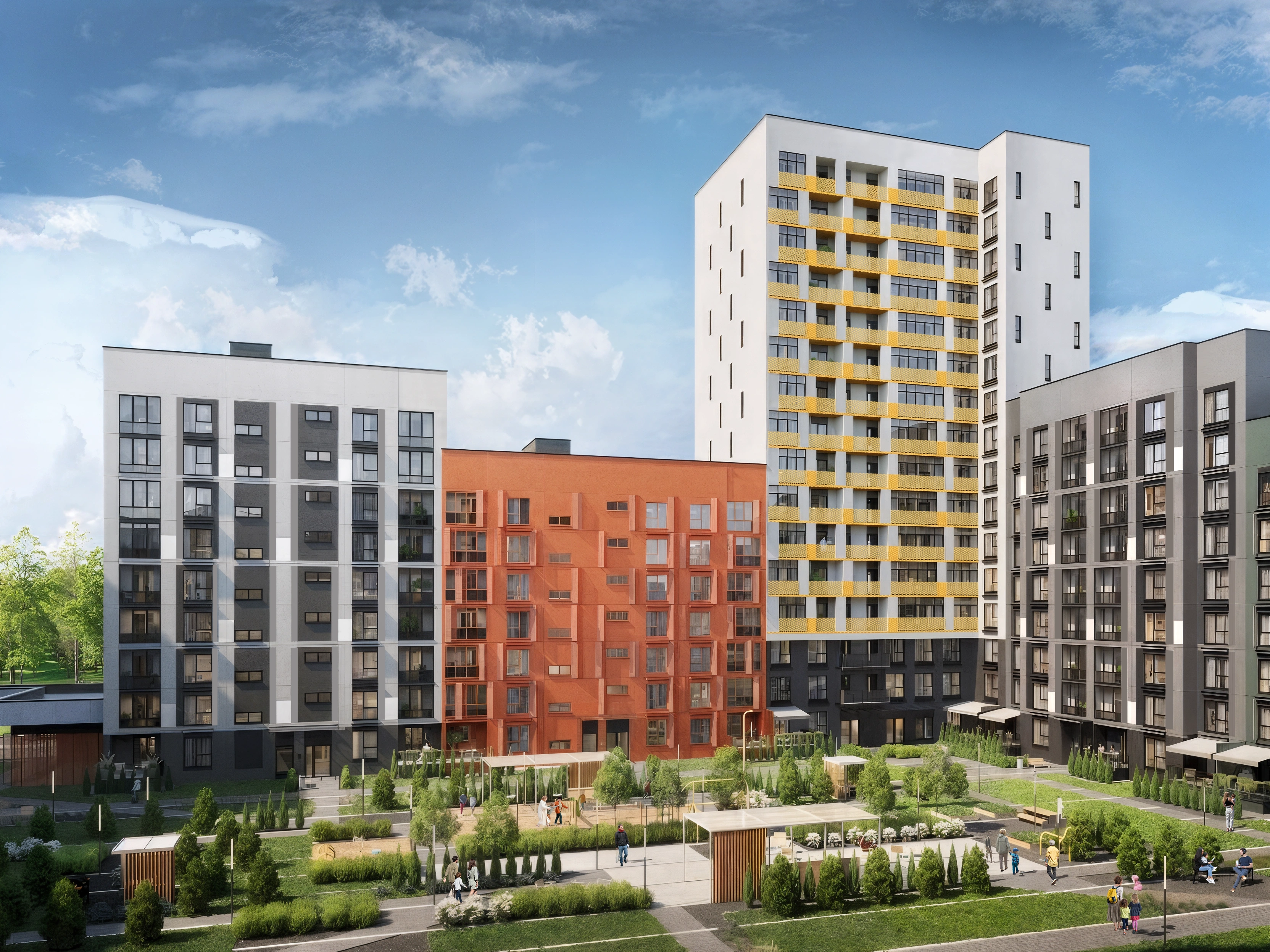
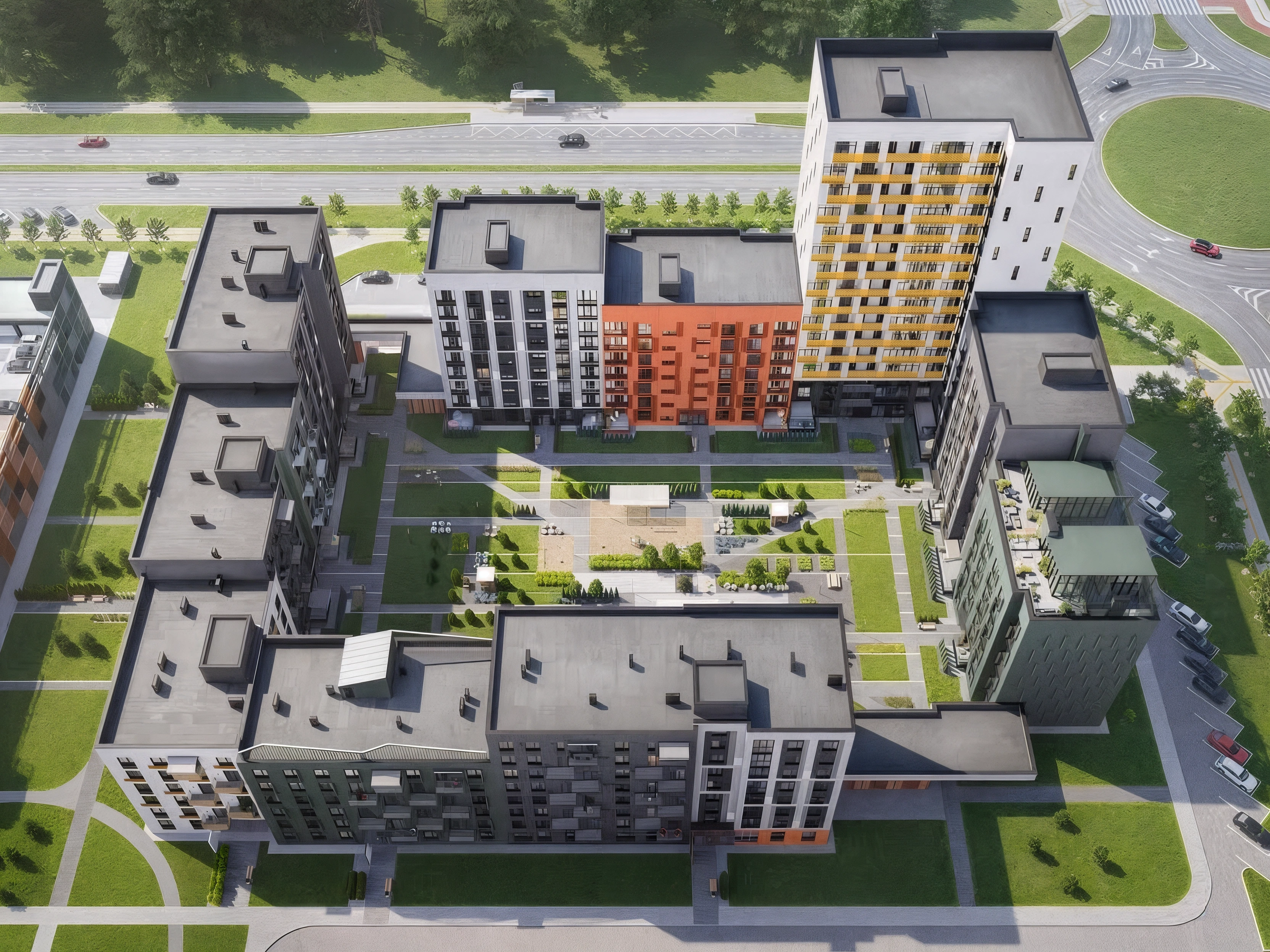
The Minimalism group comprises two buildings, Nos. 1.7 and 1.8, arranged around a compact, landscaped courtyard; entries are pass‑through, the ground plane is fully pedestrian, and a 16‑storey volume acts as a neighborhood landmark.
ART-Quarter — Modernism Group, House 1.8
Concept
The architectural idea embraces minimal‑art: clear massing, modular logic, and functional detailing in place of overt decor; identity is built on repetition, proportion, and nuanced accents.
Urban structure
A perimeter‑like composition and an L‑shaped volume for House 1.8 shape a sheltered micro‑courtyard; view corridors open to the forest and the Art Boulevard; active routes and noisier functions are placed at the edges, preserving quiet in the core.
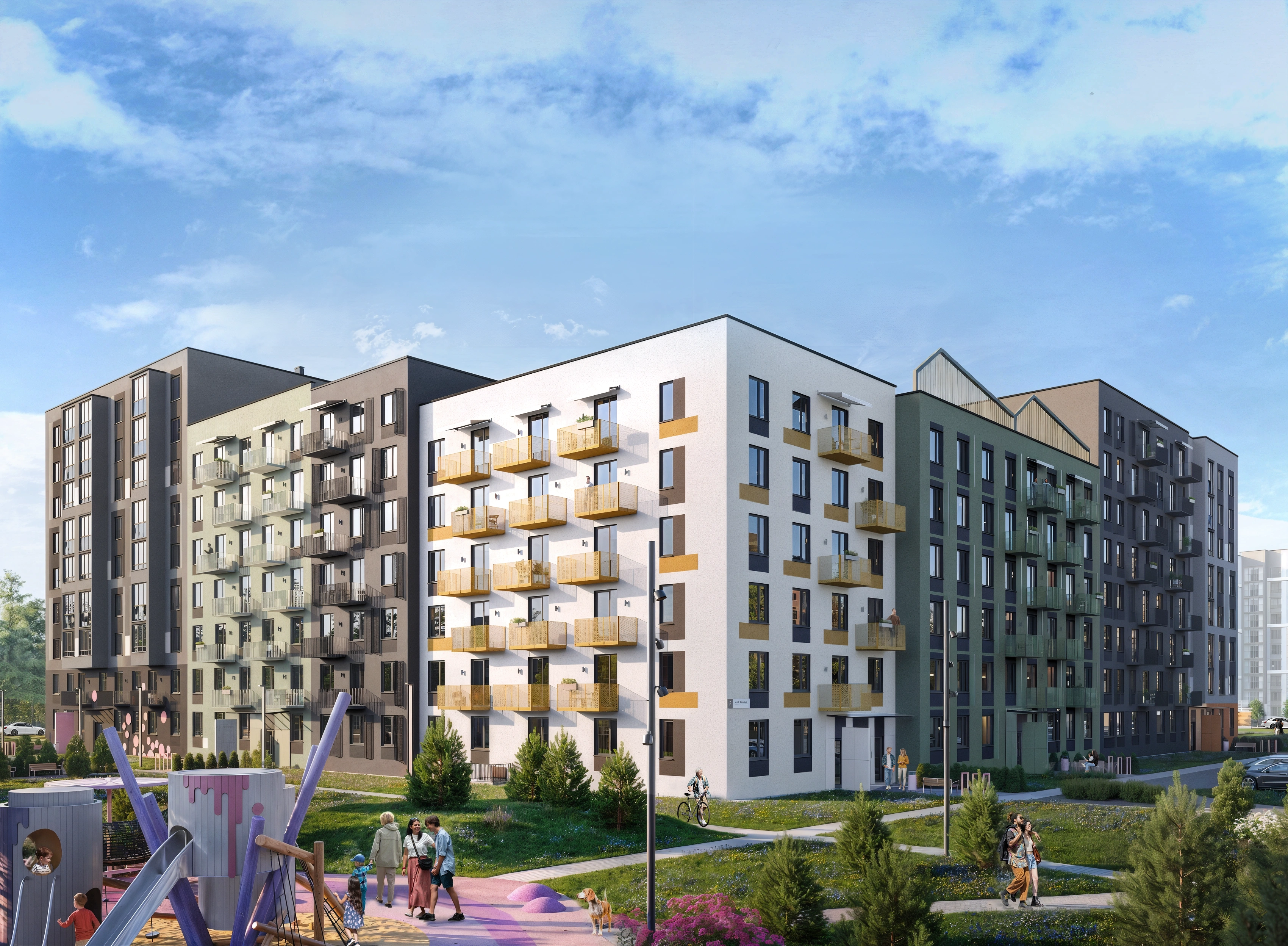
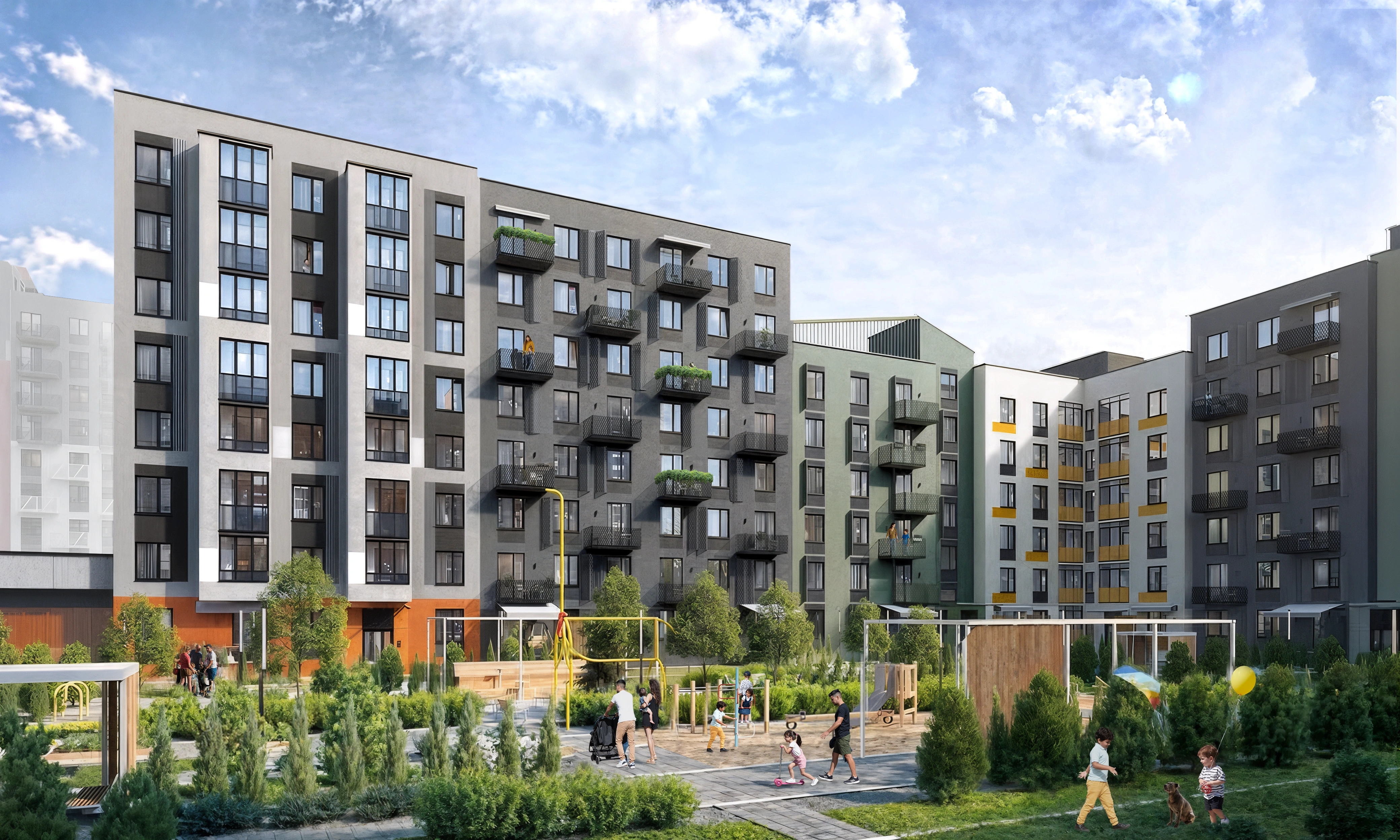
ART-Quarter — Modernism Group, House 1.7
Facade design
— Geometry and rhythm. A disciplined module governs openings and solids; inset loggias and projecting balconies alternate in a chess‑like cadence, producing deep, legible shadowplay throughout the day.
— Color strategy. A restrained monochrome base—warm white, light grey, graphite—is calibrated with precise accents of ochre/yellow, terracotta, and muted green to signpost entrances, volumes, and wayfinding nodes.
— Balconies and rails. Open balconies use perforated metal guards for a tactile, semi‑transparent grain; glazed loggias keep a flush plane where energy and acoustic comfort matter; French windows strengthen the vertical reading and frame long courtyard views.
— Roofline and silhouette. Stepped heights culminate in a broken roof profile; light metal “house‑shaped” crowns and green rooftop conservatories create a recognizable skyline and soft transition to the sky.
— Plinth and entries. A warmer, more saturated plinth with larger glazing increases permeability; exterior graphics and lighting tie the street, courtyard, and lobby interiors into one visual system.
— Materiality. Painted façade planes, perforated metal, and selective textured inserts keep the palette economical yet rich in near‑field detail, aligning with the minimal ethos.

Courtyard and landscape
A compact, intimate yard offers a toddlers’ play area, quiet lounges, pergolas, modular evergreen planting, movable furniture, and a bike box; louder activities are located beyond the residential edge; minimalist animal sculptures reinforce the group’s identity.
Apartments and common spaces
Apartment mix approximately 25–105 m² with 2.63–2.71 m clear heights; ground‑floor units gain terraces, upper levels have summer rooftop conservatories and private decks; selected sections are delivered with ready‑made finishes for a “quiet entrance” experience.
Pass‑through lobbies, barrier‑free access, stroller rooms and pet paw‑wash stations; smart intercom and CCTV; dedicated storage and bicycle facilities planned per section.

Highlights
— Stepped massing with a 16‑storey landmark volume.
— Rooftop conservatories and terraces enabling everyday outdoor living.
— Monochrome palette with precise color accents, perforated balcony rails, and French windows.
— Car‑free, intimate courtyard with externalized active uses and curated art pieces.
Interiors
The lobbies follow a concise minimalism with a warm Scandinavian note: large-format gray porcelain stoneware and light walls provide a neutral backdrop, while oak-toned wall panels and olive accents add tactility and a welcoming character; an integrated bench niche with a shelf creates a waiting spot, linear light profiles and concealed lighting emphasize geometry, and a rounded olive handrail guides movement without visual noise; a graphic chalkboard wall and restrained wayfinding give the space a friendly voice, and live plants soften the palette, resulting in a calm, durable, and user-friendly common interior for everyday use.
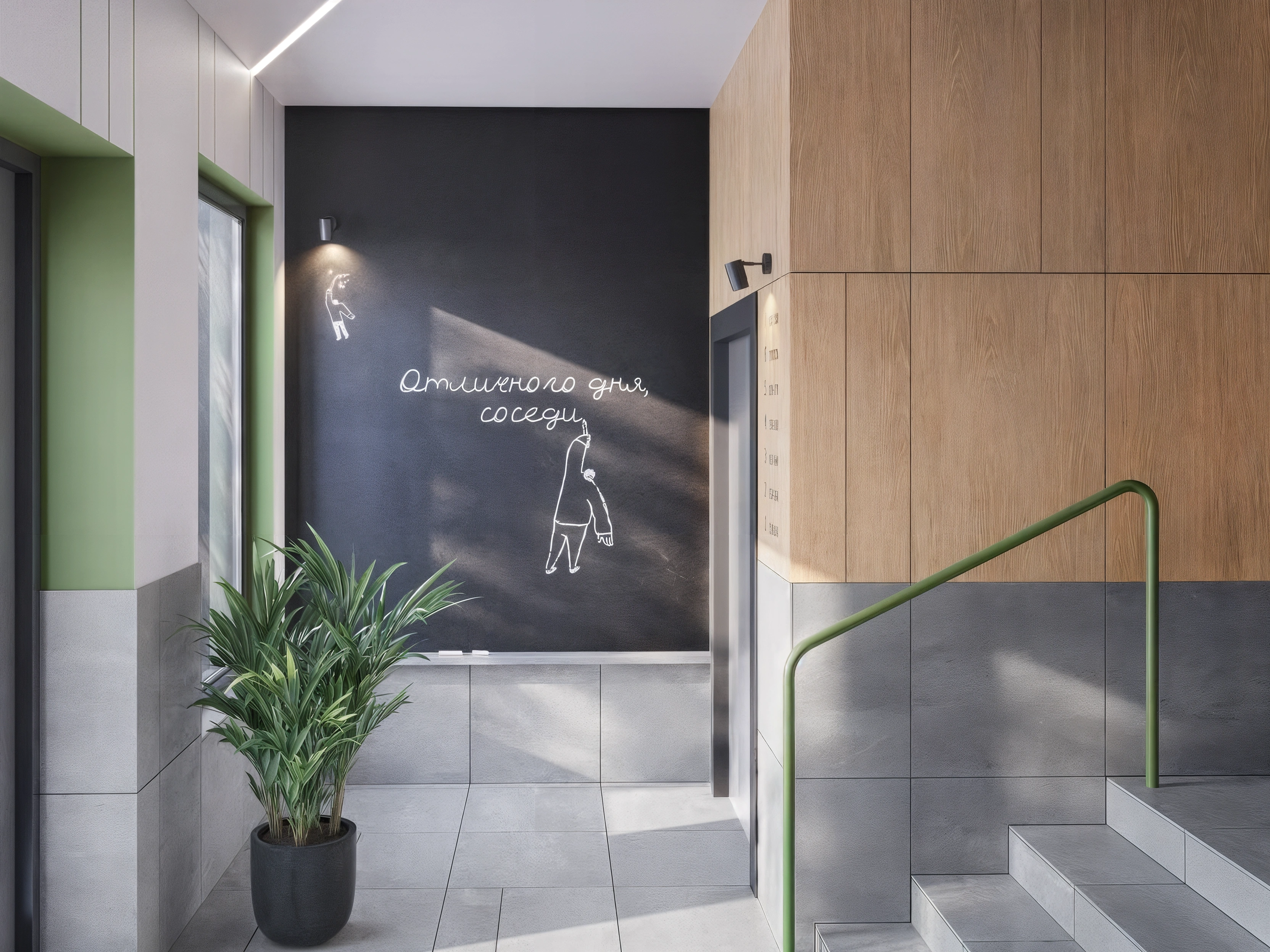
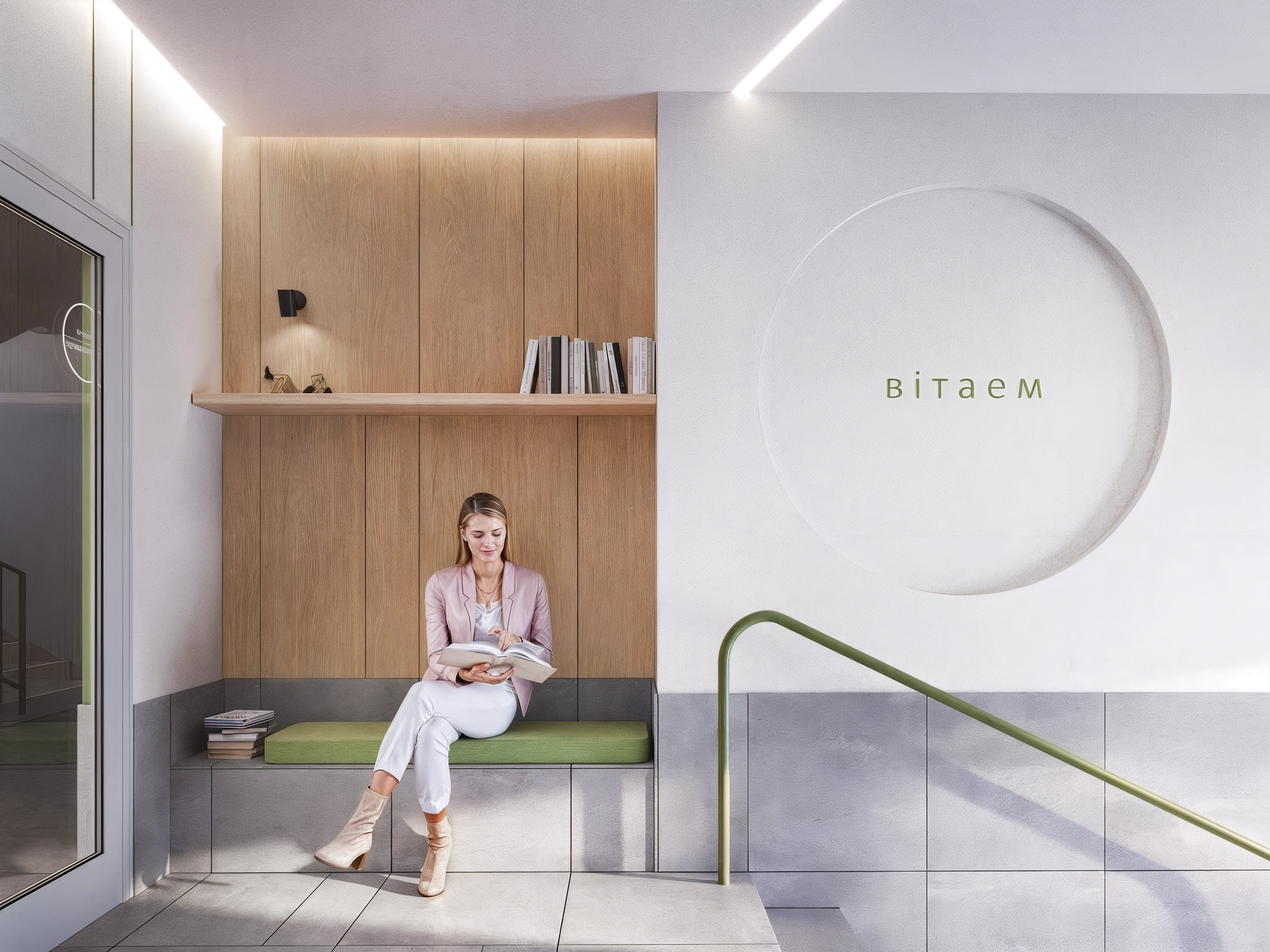
Modernism Group — Interiors
My Role and responsibility
— Lead Architect: developed massing & façade concepts at the pre-design stage, contributed to Project Stage A, parts of C;
— Coordinated all contractors across these stages;
— Ensured cohesion between architectural vision, materiality, facade detailing, and lived experience.
This project was developed during my work as a Lead Architect at one of the companies within the A100 Development Group. All visual materials are the property of A100 Development Group and are presented here exclusively for portfolio purposes.


